
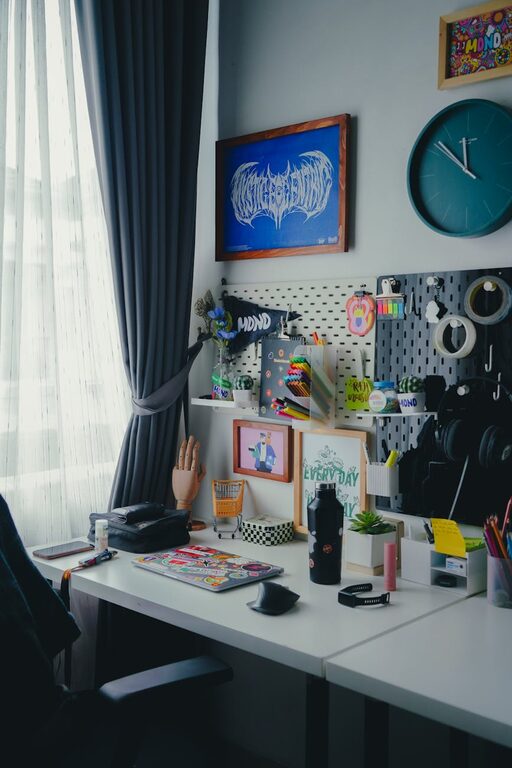
Creating the ideal desk setup can significantly improve your productivity and comfort during work or study hours. Whether you spend a few hours or an entire day at your desk, organizing your workspace thoughtfully helps maintain focus and prevents discomfort. This post offers practical tips to optimize your desk setup for both concentration and well-being.
Why a Proper Desk Setup Matters
A cluttered or poorly arranged workspace can lead to distractions, fatigue, and even physical pain. In contrast, a well-designed setup supports good posture, minimizes strain, and creates a motivating environment that encourages concentration. Paying attention to ergonomics and organization reduces the risk of repetitive strain injuries and mental fatigue.
Choose the Right Desk and Chair
Selecting Your Desk
Your desk is the foundation of your workspace. Choose one that fits your space and meets your work needs:
– Size: Ensure it’s large enough to hold your computer, essential tools, and some extra space for notes or other materials.
– Height: Standard desk height is about 74–76 cm, but this can vary. Some prefer adjustable desks or standing desks to switch positions.
– Storage: Desks with drawers or shelves help keep items organized and within reach.
Ergonomic Chair
Comfort starts with a supportive chair:
– Choose a chair with adjustable height and back support.
– Lumbar support is essential to maintain the natural curve of your spine.
– Comfortable padding and armrests can reduce fatigue.
Monitor and Screen Positioning
Where and how you position your monitor impacts your neck and eye comfort:
– Place the monitor about an arm’s length (50–70 cm) away.
– The top of the screen should be roughly at eye level to avoid neck strain.
– Tilt the screen slightly upward to reduce glare.
– If you use multiple screens, align them so your head stays centered.
Keyboard and Mouse Placement
Proper placement helps prevent wrist strain and improves typing accuracy:
– Keep the keyboard and mouse close enough to avoid reaching.
– Wrist rests can provide support but avoid resting your wrists on hard surfaces while typing.
– Use an ergonomic keyboard if you type extensively.
Lighting: Essential for Eyes and Mood
Good lighting reduces eye strain and enhances focus:
– Use natural light whenever possible; position your desk near a window.
– Avoid direct glare on your screen.
– Supplement with a desk lamp that provides focused, adjustable light.
– Warm light tones can create a relaxing atmosphere, while cooler tones keep you alert.
Declutter and Organize Your Workspace
A tidy desk reduces distractions:
– Use organizers, trays, or drawers to store stationery and documents.
– Limit desk items to essentials.
– Keep cables managed with clips or sleeves.
Personalize Your Space Mindfully
Adding personal touches can make your workspace inviting:
– Plants improve air quality and create a calming vibe.
– Photos or art can inspire but avoid overcrowding.
– Use colors that promote concentration, such as blues or greens.
Incorporate Movement and Breaks
Comfort doesn’t end at furniture:
– Take regular breaks to stretch your body and rest your eyes.
– Consider a stand-up desk to alternate sitting and standing.
– Simple stretches can reduce muscle stiffness and enhance circulation.
Additional Accessories to Consider
Certain accessories can boost both comfort and productivity:
– Monitor stands: Help adjust screen height.
– Footrests: Improve posture by supporting feet.
– Noise-canceling headphones: Useful in noisy environments.
– Cable management: Keeps the area neat and reduces trips.
Summary
Creating a desk setup geared towards focus and comfort is a blend of ergonomics, organization, good lighting, and personal preferences. Start by choosing the right desk and chair, position your screen and accessories thoughtfully, keep your workspace tidy, and incorporate elements that promote well-being. These tips can transform your desk into a productive and pleasant place to work.
Remember, a well-arranged workspace is an investment in your health and efficiency—take the time to optimize it!